
Blog · 14 Oct 2026
Why the Nobel Prize in Economics went to Robert Hall and Michael Woodford
In today’s Finshots, we explain the ideas and research that earned Robert Hall and Michael Woodford this year’s Nobel Prize in Economics.The StoryRece…
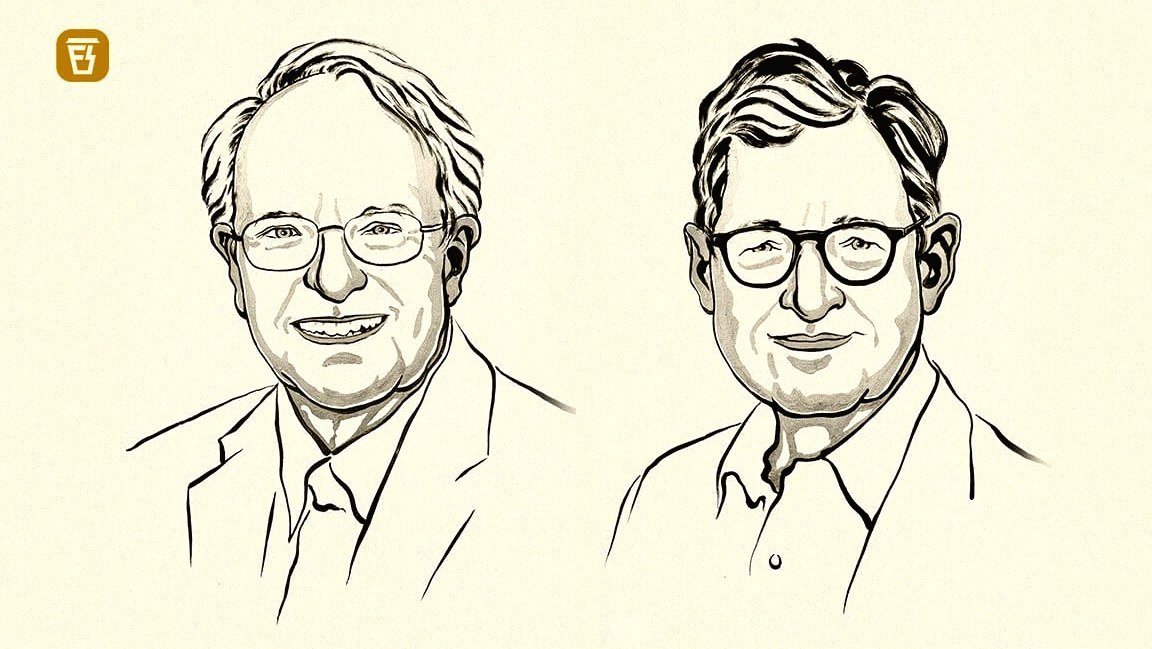
In today’s Finshots, we explain the ideas and research that earned Robert Hall and Michael Woodford this year’s Nobel Prize in Economics.The StoryRecently, the RBI raised the repo rate by 0.25 percentage points to 5.5%.
Thanks to rising inflation, driven partly by higher oil prices. When oil gets expensive, costs can rise across the economy. Businesses feel the pinch, and people may start worrying about their jobs.But have you ever wondered how the RBI decides what to do in a situation like this?General logic might tell you that when inflation rises, the RBI can increase interest rates, making loans more expensive. People and businesses may then borrow and spend less.
That could cool demand and eventually ease inflation. But how much should the RBI raise rates?Because if it raises them too much, it could slow the economy. Or if it does the opposite, inflation could flare up again.That’s the problem this year’s Economics Nobel laureates, Robert Hall and Michael Woodford, spent much of their careers trying to solve.Before we tell you how, here’s one quick thing you need to know.