Blog · 10 Sep 2026
The Subhash Chandra saga explained
In today’s Finshots, we explain how the Essel Group’s financial crisis unfolded and why the insolvency case involving its promoter has sparked a major…
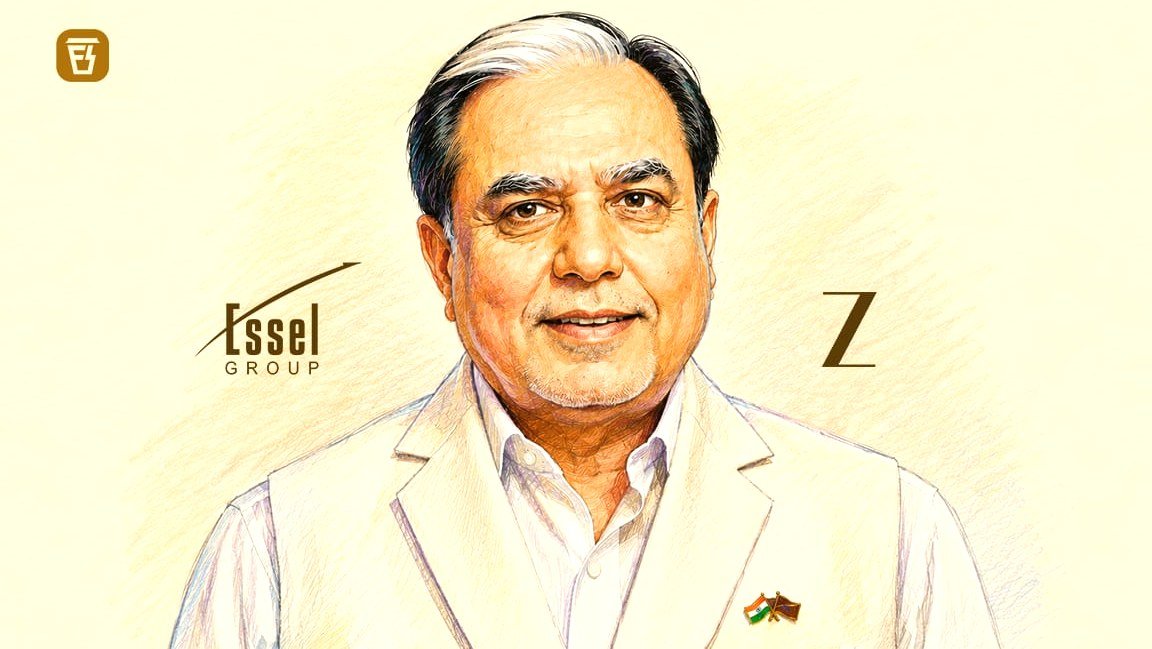
In today’s Finshots, we explain how the Essel Group’s financial crisis unfolded and why the insolvency case involving its promoter has sparked a major legal debate among Indian lenders.But before we begin, if you love keeping up with the buzz in business and finance, make sure to subscribe and join the Finshots club, loved by over 5 lakh readers.Already a subscriber or reading this on the app?
You’re all set. Go ahead and enjoy the story!The StoryThere was a time when evenings in many Indian households followed a predictable routine. Dinner would be served just before prime time, the TV remote would mysteriously disappear into the hands of our parents or grandparents, and they would tune in to Zee TV to watch Sa Re Ga Ma or one of the countless daily soaps that were omnipresent in our living rooms for years.Behind Zee TV's success was Subhash Chandra, one of India's most successful media entrepreneurs. He built the country's first private satellite television network at a time when cable TV itself was a novelty.
And over the years, Zee grew into one of India's largest media companies.But while millions watched Zee's success unfold on television, something else was going on behind the scenes.A series of ambitious bets outside the media business, funded largely with borrowed money, slowly turned one of India's strongest business groups into one of its most indebted. What followed was years of asset sales, court battles, failed mergers, lender negotiations, and one of the longest corporate debt resolution stories in recent Indian history.So, how did the man who built Zee end up fighting to save his empire?Well, the trouble became public in January 2019, when Subhash Chandra formally acknowledged that the Essel Group (Zee’s parent, you can also call it the Zee Group) faced serious liquidity constraints. The group had accumulated approximately ₹45,000 crore in total borrowings.