Blog · 6 Jul 2026
In today’s Finshots, we break down the business behind the long-awaited NSE IPO.But here’s a quick sidenote before we begin.
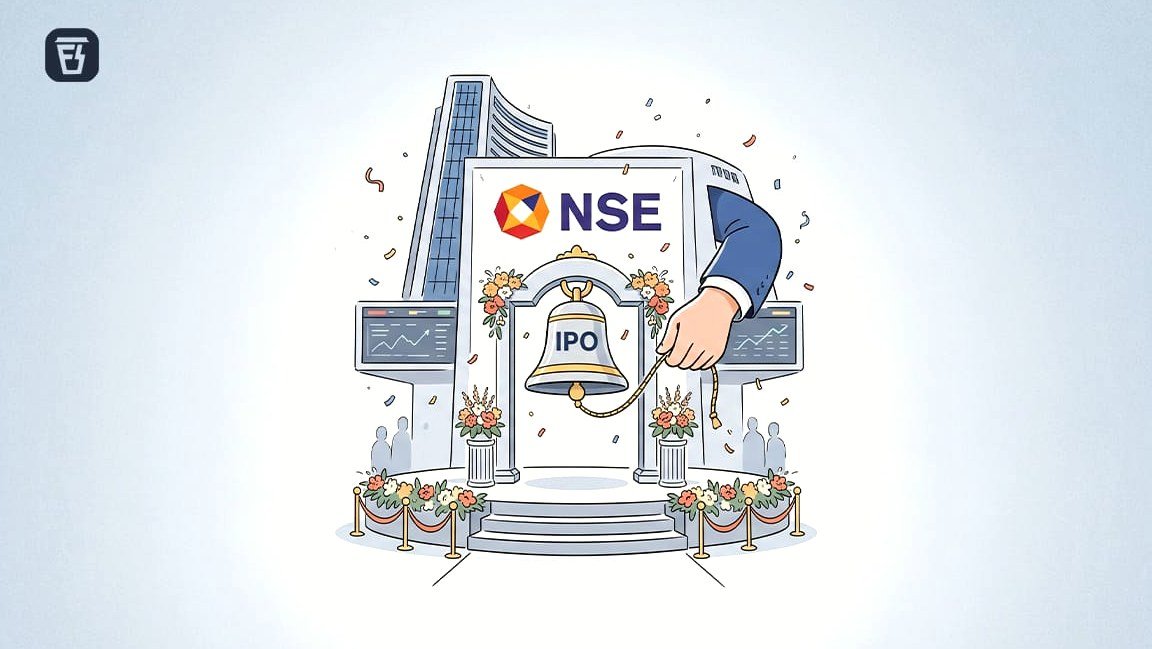
In today’s Finshots, we break down the business behind the long-awaited NSE IPO.But here’s a quick sidenote before we begin.
We’re looking for a business writer to join Finshots’ newsletter team. If you’re someone who can tell compelling stories and explain financial concepts in plain English without drowning readers in jargon, do consider applying through the link here. Or share this with someone who might be a good fit for the role.Now onto today’s story.The StoryAfter years of delays, regulatory scrutiny and legal hurdles, the National Stock Exchange (NSE) has filed its Draft Red Herring Prospectus (DRHP), bringing one of India's most anticipated IPOs a step closer to reality.And on the face of it, the excitement is understandable.NSE sits at the centre of India's financial system. It dominates trading volumes across equities and derivatives, benefits from powerful network effects and generates the kind of profitability most companies can only dream of.Every time you place an order through a broker like Zerodha* or Groww, that order is routed to an exchange, typically NSE or BSE.
The exchange charges a tiny fee for providing the marketplace where buyers and sellers meet.Individually, those fees are almost negligible. But when billions of trades flow through the platform every year, they add up very quickly.That's why transaction charges remain the lifeblood of NSE's business.In FY26, NSE earned over ₹16,600 crore from operations. Nearly ₹13,057 crore of that came from transaction charges.